Entry · Ref X0N3ZXHQ
What to Do When a Tree Falls on Your Property
- Posted
- 2026-11-11
- Last amended
- 2026-11-11
- Account
- @getjaspertreeremovalfallenpost
Assess the situation before taking any action
A fallen tree is startling and often stressful. Whether it came down during a storm, after heavy rain softened the ground, or simply gave way from age, the first instinct is to act fast. But rushing into cleanup without a plan can make things harder and risk injury. Before you grab a saw or call for help, take a moment to look at the full picture.
Start by checking for immediate hazards. Look at whether the tree is resting on a structure like your house, a shed, or a fence line. If power lines are involved, stay far back and contact the utility company first. Trees that have snapped near electrical lines can carry current through wet wood or the ground itself. No amount of DIY effort is worth that risk. If the tree is simply lying across your lawn or driveway with no utilities involved, you have more room to decide your next step.
Decide whether to handle it yourself or hire help
Many homeowners consider cutting up a fallen tree on their own, especially if it is small and in an open area. A chainsaw and some basic safety gear can get the job done for a straightforward limb or trunk that is easy to reach. But fallen tree removal gets complicated fast when the tree is large, tangled in other trees, or leaning at an odd angle. Tension in the wood can cause dangerous kickback or sudden shifts. Professional crews train for years to read those forces and work around them.
Another factor is the debris itself. A fallen tree may have broken into several sections with limbs buried under leaves or wedged against the ground. Moving heavy pieces by hand can strain your back or lead to a fall. Equipment like stump grinders and rigging gear makes the work faster and safer, but that gear requires experience to operate. For most people, a tree that is thick through the trunk or has multiple major branches is better left to people who do this work every day.
For property owners in Jasper and the surrounding area, Jasper Tree Removal fallen tree removal services are available around the clock. That kind of availability matters because a tree blocking a driveway or leaning against a house does not wait for business hours. Having a local crew who can respond quickly reduces the time your property is exposed to weather or further damage.
Work through insurance and documentation first
If the tree has damaged your home, a vehicle, or a fence, check your insurance policy before moving anything. Many homeowner policies cover removal of a tree that has struck a covered structure, though they may not cover the tree itself if it simply fell in the yard without hitting anything. Take photos from several angles before cleanup begins. These images help adjusters understand the situation and can support a claim.
It is also worth noting whether the tree came from your property or a neighbor's. Responsibility for removal often depends on local rules and the cause of the fall. A healthy tree that falls from a neighbor's yard during a storm may be their insurance concern, while a dead or neglected tree that falls might fall under your own liability. These situations vary, so a quick call to your agent can clarify what to expect. Avoid making assumptions or promises to neighbors until you know where things stand.
Plan the cleanup order
Once you have decided to proceed, tackle the work in stages. Start with branches and debris that are easy to reach and carry. Clearing the smaller material gives you room to work on the main trunk. If the tree has snapped high up, the remaining stump may need grinding to prevent regrowth or to keep the area safe for mowing. Stump grinding is a separate step from cutting up the trunk, and many removal services include it as part of the overall job.
If the tree fell across a path or driveway, consider whether you need temporary access before full removal. Sometimes a crew can cut a section out of the middle to open a lane, then return later to finish the rest. This phased approach works well when the tree is very large or when weather is still unstable. It also lets you prioritize safety over speed.
Watch for hidden damage and secondary risks
A fallen tree often takes other things down with it. Look at nearby trees for cracked limbs or roots that have lifted. Soil that has been disturbed around the base of the fallen tree may leave other trees unstable. If the tree pulled up a large root ball, the hole it left can be a tripping hazard and may need filling. Also check your roof, gutters, and siding for damage that might not be obvious until rain gets in.
Pests can become an issue too. A fallen tree that stays on the ground for more than a few days attracts insects and can become a home for rodents. Wood that is pressed against the ground stays damp and starts to rot quickly. Prompt removal prevents these secondary problems and keeps your yard from turning into a breeding ground for unwanted visitors. Even if the tree is not in your way, leaving it too long can create more work later.
Choose a removal method that fits the situation
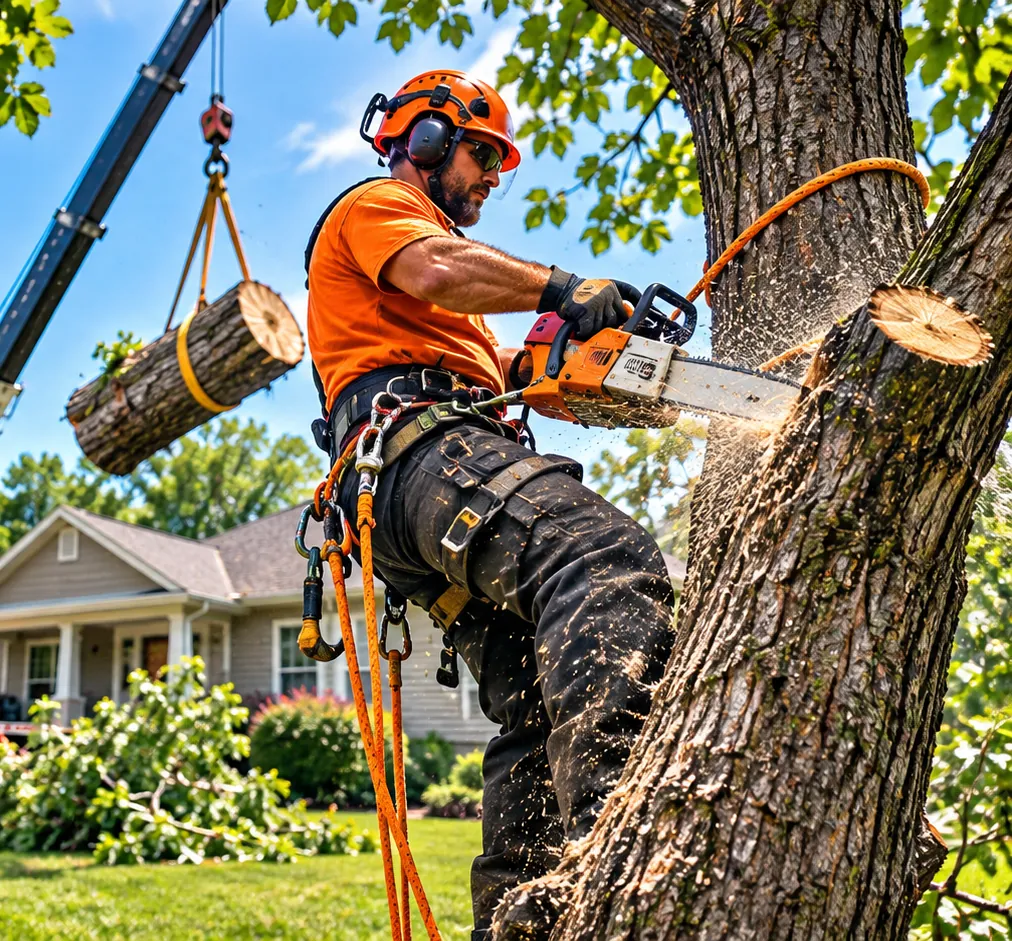
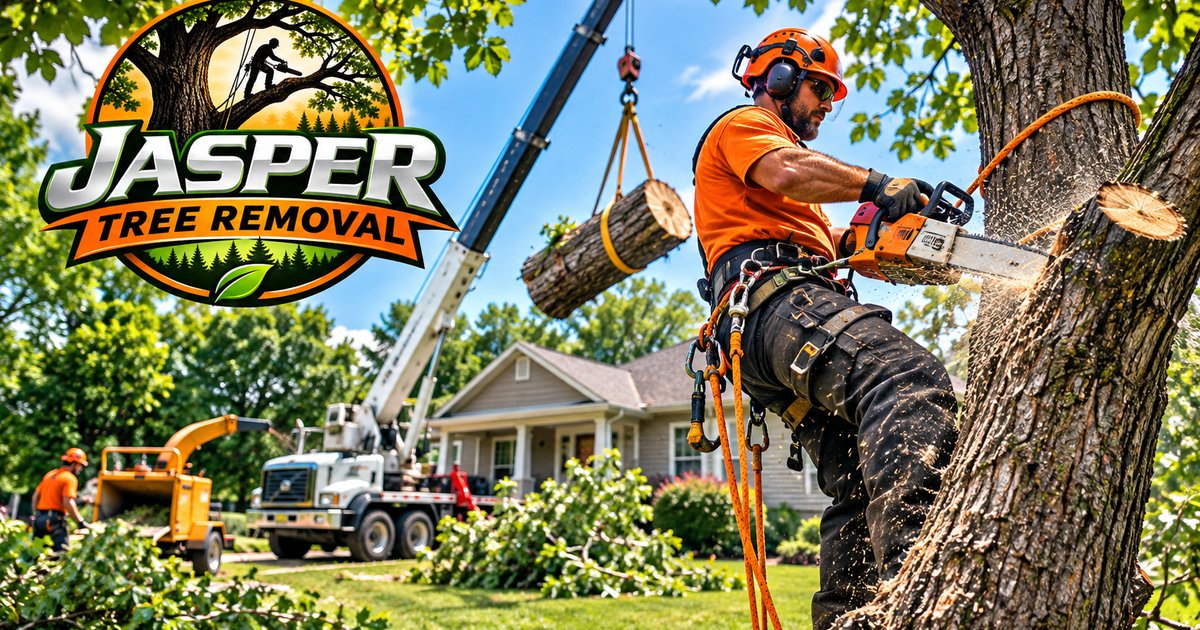
Professional crews use different techniques depending on where the tree is and what is around it. Rigging involves ropes and pulleys to lower heavy sections safely when the tree is near a house or in a tight space. Climbing may be needed if the tree has broken partway up and the top is still hanging. For a tree that has fallen flat in an open area, a crew can simply cut it into manageable pieces and haul them away. Each approach has its own cost and time considerations.
If you are hiring a service, ask how they handle debris disposal. Some companies take the wood with them, others leave it for you to use as firewood or mulch. Knowing this ahead of time avoids confusion when the job is done. Also ask about cleanup of small branches and leaves. A thorough crew leaves the site tidy, not just the large logs removed.
For residents of Jasper and Pickens County, Jasper Tree Removal fallen tree removal is a service that covers these scenarios from start to finish. That means assessing the tree, cutting it safely, removing debris, and addressing the stump if needed. Having one team handle everything reduces the number of people coming and going from your property and keeps the process smooth.
Prepare for future storms and tree health
After the immediate cleanup is done, think about prevention. Look at the remaining trees on your property. Are any of them leaning, showing cracks, or losing bark? Trees that are stressed or diseased are more likely to fail in high winds. An arborist can evaluate the health of your trees and recommend pruning or removal before the next storm hits. Regular trimming also reduces the weight on heavy limbs and improves airflow through the canopy.
Clearing deadwood and thinning crowded branches is not just about looks. It lowers the chance that a branch will snap and fall on your house or car. For properties with large oaks, pines, or maples, a yearly check is a small investment compared to the cost of emergency removal after a collapse. Keeping trees healthy also adds value to your land and provides shade and habitat.
Fallen trees are part of life for anyone who lives among mature trees. The key is handling them with a clear head and the right help. Whether you do the work yourself or bring in professionals, understanding the process makes the experience less overwhelming. Taking it step by step, starting with safety and ending with cleanup, turns a stressful event into a manageable project.
Jasper Tree Removal on social media
 Twitter
 Instagram
 YouTube